
 admin
admin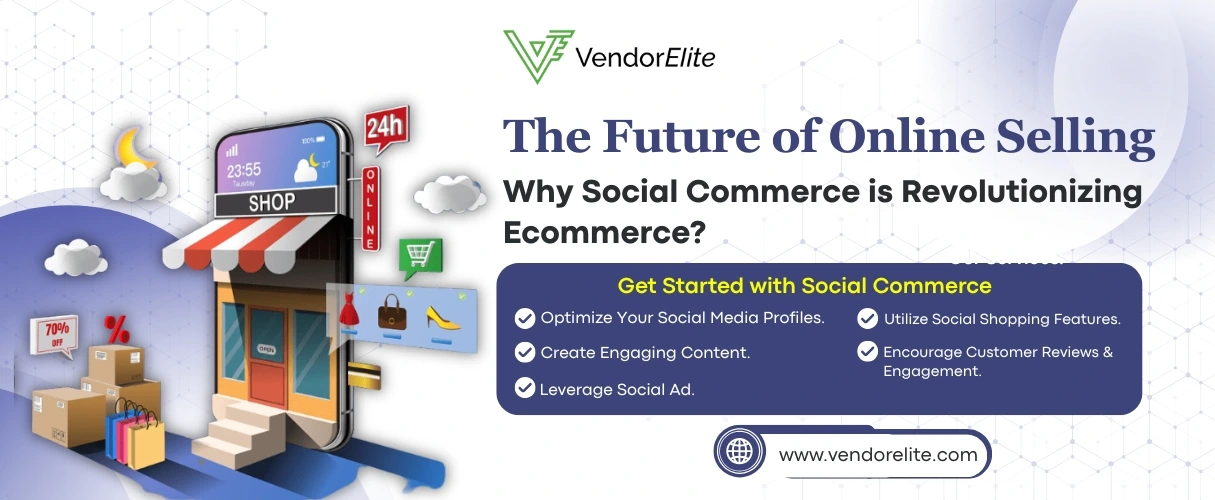
Visit Us: https://www.vendorelite.com
The way people shop online is evolving rapidly, and businesses that adapt to these changes can tap into unprecedented growth. One of the most powerful shifts in ecommerce today is the rise of social commerce – a game-changer that blends the power of social media with seamless shopping experiences.
The Explosive Growth of Social Commerce
Social commerce is not just a passing trend; it’s a billion-dollar movement transforming how brands connect with consumers. According to recent projections, the global social commerce industry is expected to more than double from $570 billion in 2023 to over $1 trillion by 2028. This growth is fueled by the increasing reliance on social media for product discovery, recommendations, and real-time shopping experiences.
Shoppers today aren’t just browsing on social media – they’re buying. In fact, studies show that 60% of Gen Z consumers have discovered or purchased a product through an influencer or brand on platforms like Instagram, TikTok, and Facebook. For businesses, this represents an unparalleled opportunity to convert passive scrolling into direct sales.
What is Social Commerce?
Social commerce refers to the integration of shopping experiences directly within social media platforms. Unlike traditional ecommerce, where customers navigate to a separate website to complete a purchase, social commerce allows users to browse, interact with products, and checkout – all without leaving their favorite social apps.
Popular platforms such as Instagram, Facebook, TikTok, and Pinterest have developed in-app shopping features that allow brands to showcase their products, interact with potential customers, and close sales in just a few taps.
Social Commerce vs. Traditional Ecommerce
Although social commerce falls under the broader umbrella of ecommerce, there are key differences that set it apart:
| Feature | Traditional Ecommerce | Social Commerce |
| Shopping Experience | Requires customers to visit a separate website or app | Shopping happens directly on social media |
| Checkout Process | Multiple steps, increasing cart abandonment | Seamless, one-click checkout |
| Engagement | Limited to website visits and email marketing | Interactive, engaging content with real-time customer feedback |
| Discovery | Customers must search for products or brands | Products appear organically through influencers, ads, and social recommendations |
| Conversion Rates | Higher friction, leading to abandoned carts | Lower friction, higher impulse purchases |
With over 98% of internet users accessing social media via mobile devices, social commerce is perfectly positioned to capitalize on mobile shopping trends. Unlike traditional ecommerce sites that often struggle with mobile optimization, social commerce provides a mobile-first experience tailored for modern consumers.
Why Social Commerce is a Game-Changer for Businesses?
Social commerce offers significant benefits for brands looking to scale their online presence and boost sales. Here’s why it’s a must-have strategy:
- Instant Customer Engagement – Social platforms foster direct interactions between brands and customers. From responding to inquiries via direct messages to engaging with user-generated content, businesses can build deeper connections with their audience.
- Higher Conversion Rates – The seamless shopping experience reduces barriers to purchase, resulting in higher conversion rates compared to traditional online stores.
- Influencer-Driven Sales – Collaborating with influencers and content creators allows brands to reach targeted audiences who are already interested in their niche. Influencer marketing is a proven driver of sales in social commerce.
- Data-Driven Insights – Social media platforms provide detailed analytics on customer behavior, engagement, and purchasing patterns, allowing brands to refine their marketing strategies for better results.
- Lower Customer Acquisition Costs – Traditional ecommerce relies heavily on expensive digital ads to drive traffic to websites. With social commerce, businesses can organically reach customers through viral content, shares, and influencer partnerships, reducing the cost per acquisition.
How to Get Started with Social Commerce?
If your business isn’t leveraging social commerce yet, now is the time to jump in. Here’s how to get started:
- Optimize Your Social Media Profiles – Ensure your Instagram, Facebook, or TikTok profiles are business accounts with shopping features enabled.
- Create Engaging Content – Use a mix of product videos, influencer collaborations, and user-generated content to drive engagement and sales.
- Leverage Social Ads – Invest in targeted social media ads to reach potential buyers based on their interests, behaviors, and demographics.
- Utilize Social Shopping Features – Take advantage of in-app checkout features like Instagram Shopping, Facebook Marketplace, and TikTok Shop.
- Encourage Customer Reviews & Engagement – Social proof is crucial. Encourage customers to leave reviews, share testimonials, and post about their purchases.
The Role of VendorElite in the Social Commerce Boom
As businesses shift towards social commerce, managing multiple selling channels efficiently becomes a challenge. This is where VendorElite comes in.
VendorElite is designed to help businesses streamline their ecommerce operations by consolidating multi-channel sales into one powerful platform. Whether you’re selling on social media, marketplaces like Amazon and eBay, or your own website, VendorElite provides the tools you need to:
✔ Automate Listings – Manage and update product listings across multiple channels effortlessly.
✔ Sync Inventory in Real-Time – Prevent overselling and stock discrepancies.
✔ Boost Sales & Reach – Expand your audience by selling across multiple platforms while maintaining control from one interface.
✔ Save Time & Increase Efficiency – Reduce manual tasks with automation, improving accuracy and ensuring consistency in pricing and promotions.
If you’re ready to take your ecommerce business to the next level and capitalize on the social commerce boom, VendorElite is the perfect solution. Visit VendorElite.com today to discover how our platform can help you streamline your multi-channel selling and maximize your growth potential.
Final Thoughts:
The rise of social commerce is transforming the online shopping landscape. Businesses that embrace this new way of selling will gain a competitive edge in the digital marketplace. Whether you’re a startup looking to make an impact or an established brand seeking to expand your reach, leveraging social commerce is the key to staying relevant and driving revenue.
Are you ready to simplify your ecommerce operations and scale your business? Let VendorElite be your trusted partner in success.
Frequently Asked Questions (FAQ):
1. What is social commerce?
Social commerce refers to buying and selling products directly through social media platforms like Instagram, Facebook, TikTok, and Pinterest, without needing to visit a separate ecommerce website.
2. How is social commerce different from traditional ecommerce?
Traditional ecommerce requires customers to visit an external website to make a purchase, while social commerce allows users to browse products, interact, and checkout directly within the social media app.
3. Why is social commerce growing so quickly?
The rise is driven by increased mobile usage, influencer-driven shopping, seamless in-app checkout experiences, and instant engagement with brands on social platforms.
4. Which social media platforms support social commerce?
Popular platforms include Instagram, Facebook, TikTok, Pinterest, Snapchat, and WhatsApp (through business catalogs and direct purchase links).
5. Who benefits most from social commerce?
Both small businesses and large brands benefit by reaching customers faster, reducing acquisition costs, and improving conversion rates through direct engagement and influencer marketing.
6. How does social commerce improve conversion rates?
The seamless one-click checkout reduces friction, preventing cart abandonment and encouraging impulse purchases.
7. Does influencer marketing impact social commerce sales?
Yes. Over 60% of Gen Z shoppers purchase products recommended by influencers, making them a major driver of social commerce growth.
8. What tools or solutions can help manage social commerce across multiple channels?
Platforms like VendorElite help businesses manage inventory, sync listings, automate processes, and handle multi-channel selling efficiently.
9. Is social commerce suitable for all types of businesses?
Yes, whether you sell retail products, handmade items, fashion, digital goods, beauty products, or lifestyle services, social commerce can significantly enhance reach and sales.
10. How can businesses get started with social commerce?
By optimizing social media profiles, enabling shopping features, creating engaging content, collaborating with influencers, running targeted ads, and leveraging tools like VendorElite for automated multi-channel management.
Tags: Social Commerce, Ecommerce Trends, Online Selling, Future Of Ecommerce, Social Media Shopping, Influencer Marketing, Tiktok Shop, Instagram Shopping, Facebook Marketplace, Digital Marketing, Gen Z Shopping Trends, Mobile Commerce, Social Selling, Multi-Channel Ecommerce, Online Business Growth, Conversion Optimization, Social Commerce Statistics, Ecommerce Strategy, Vendorelite, Multi-Channel Selling, Ecommerce Automation, Online Retail, Social Shopping Experience, Real-Time Shopping, Ecommerce Technology